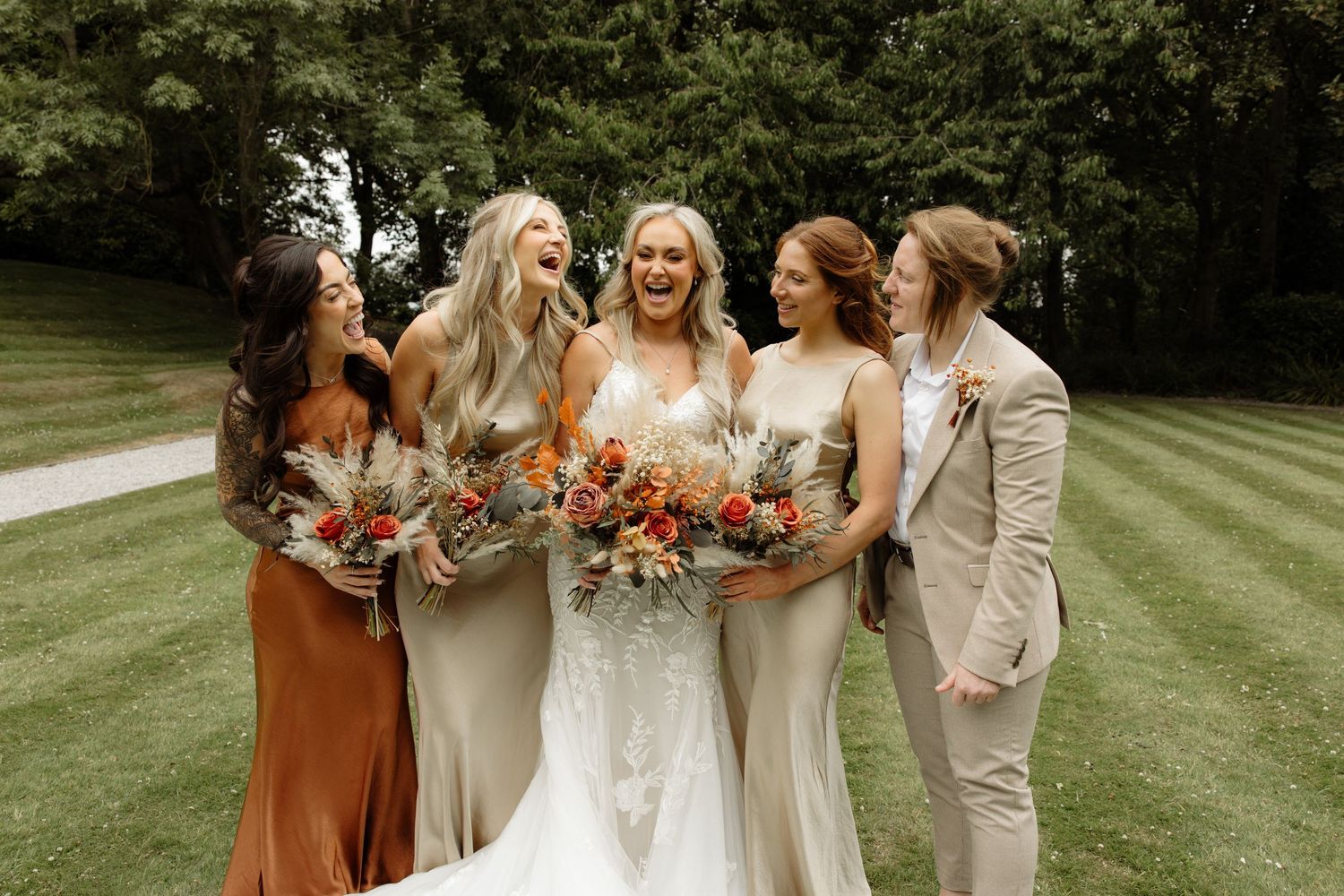
Planning doesn’t make a wedding feel photo-focused. it makes it feel relaxed.
If there’s one word that can instantly make couples feel overwhelmed during wedding planning, it’s timeline.
For many people, it brings up images of a rigid, photo-heavy day being pulled away constantly, ticking things off a list, and feeling like you’re always “on” in front of the camera. And honestly, it makes complete sense that couples want the opposite of that.
The reality is, a well-planned wedding photography timeline doesn’t make your day feel more structured, it actually does the opposite. When timings are thought through properly and everyone is aligned before the wedding, it creates space. Space to slow down, to be present, and to enjoy your day as it naturally unfolds.
From my side, thoughtful planning means I’m never chasing moments or rushing to fit things in. I know what matters to you, what you want photographed, and how the day is meant to flow so you don’t have to think about it at all. Instead of your wedding feeling photo-focused, it feels calm, considered, and completely yours.
In this post, I’m sharing how to build a wedding photography timeline that prioritises presence over pressure including why a 2pm ceremony is one of my favourite starting points, and how planning ahead leads to relaxed, beautiful photographs without your day ever feeling staged or rushed.
Why planning your photography timeline actually creates freedom
One of the biggest misconceptions about wedding timelines is that they exist to control the day. In reality, the purpose of a photography timeline is to remove pressure not add to it.
When a wedding day isn’t planned with photography in mind, things tend to build up quietly in the background. Moments get rushed, key parts of the day overlap, and couples often find themselves worrying about what they’ve missed rather than enjoying what’s happening in front of them. Even if you want most of your photographs to be candid and relaxed, a lack of planning can mean that important moments like those last parts of the morning are easily lost.
A good timeline does the opposite. It creates breathing room.
By planning ahead and having a clear understanding of how the day will flow, everything feels lighter on the day itself. I know what’s important to you, I know when and where things are happening, and I can work quietly in the background without needing to interrupt or rush you. There’s no sense of catching up or squeezing things in at the last minute.
For couples, this usually means being able to fully let go. You’re not checking the time, wondering if something has been forgotten, or worrying about whether certain photos have been taken. Instead, you’re free to be present, to enjoy your morning, your ceremony, and time with your guests knowing that everything has been thoughtfully taken care of.
Planning doesn’t make your wedding feel staged or photo-focused. When it’s done well, it allows the day to unfold naturally, with the calm pace that leads to the most honest and meaningful photographs.
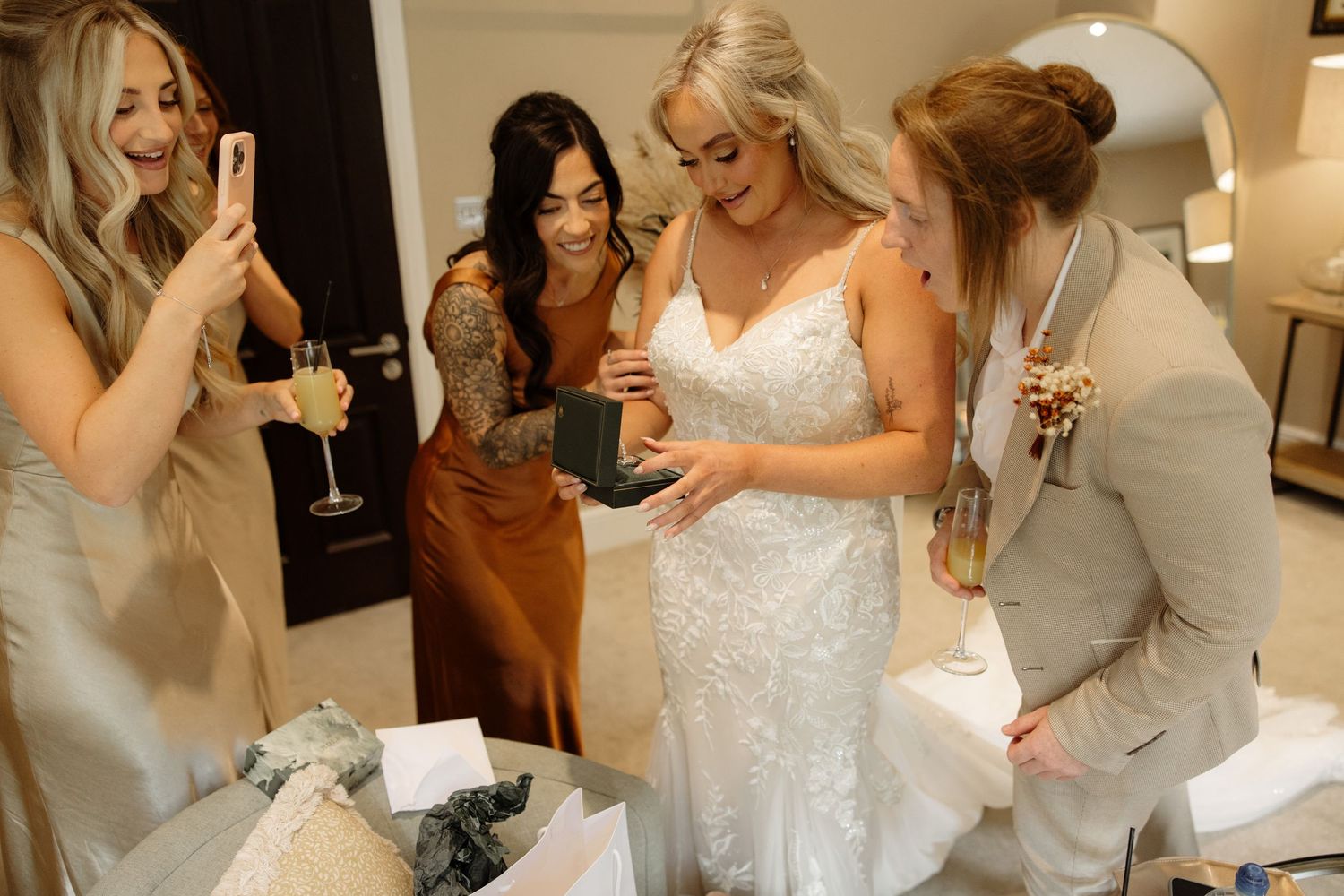
How I help couples plan a relaxed, photography-friendly timeline
For me, a relaxed wedding day starts well before the wedding itself. Timeline planning isn’t something I leave until the last minute it’s a process we move through together, so that by the time your wedding arrives, everything already feels familiar and considered.
When couples first enquire, I always talk briefly about how a wedding day typically flows from a photography point of view. This isn’t about exact timings at that stage, but about setting expectations and helping couples understand how photography fits naturally into the day rather than dominating it.
Closer to the wedding, I send out a detailed questionnaire that covers everything from timings and locations to what moments matter most to you, and what you’d rather keep relaxed and unstructured. This gives me a really clear picture of your priorities, your plans, and how you want your day to feel.
A couple of days before the wedding, we then go through everything together on a call. This is where we fine-tune the timeline, talk through transitions, and make sure there’s plenty of breathing room built into the day. By this point, I know your plans inside out which means on the wedding day itself, you don’t need to think about timing, photos, or what’s coming next.
That preparation allows me to work quietly in the background, anticipating moments rather than chasing them. It also means there’s never pressure on you to remember what needs photographing or to keep an eye on the clock. The structure is there, but it stays behind the scenes supporting the day, not interrupting it.
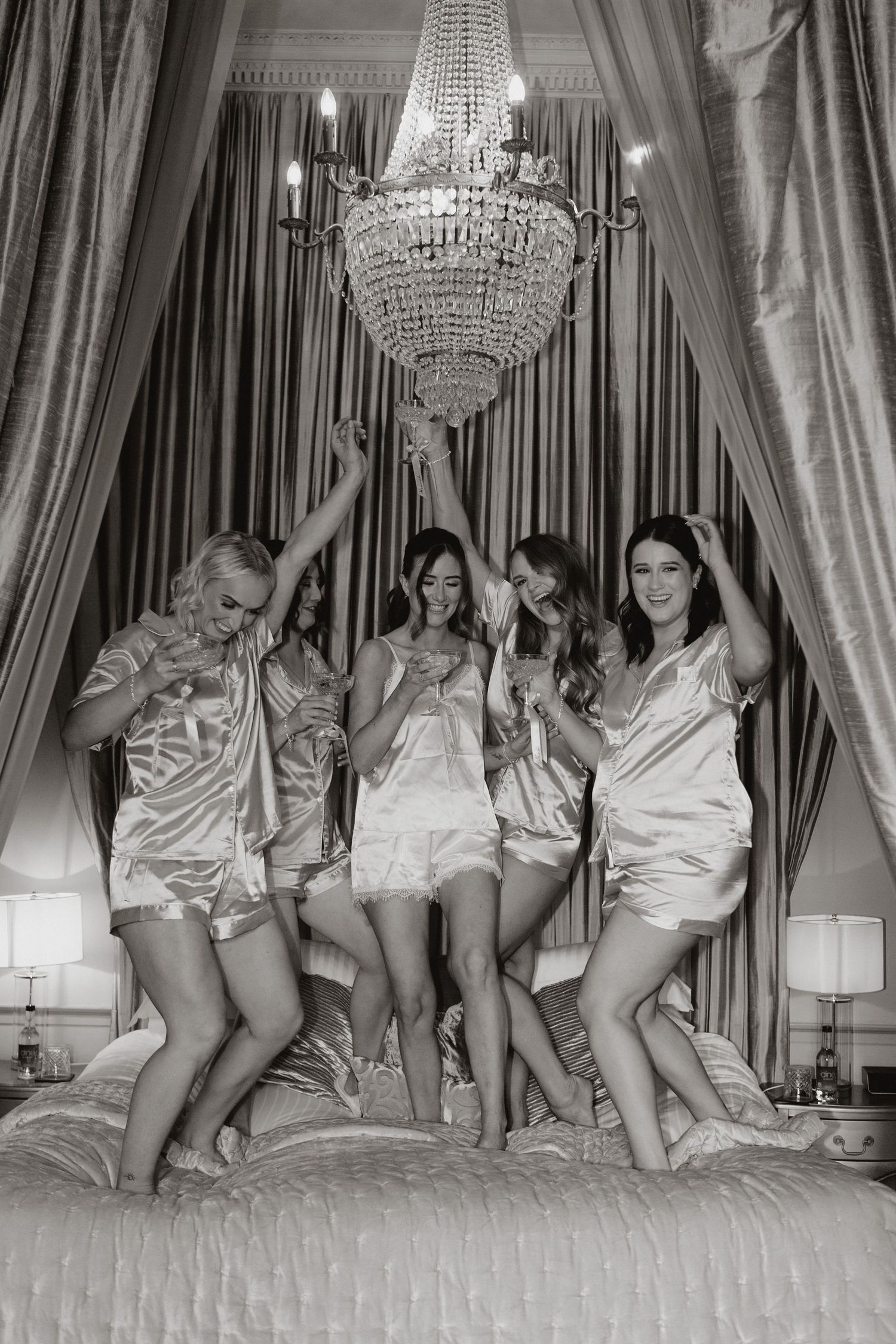
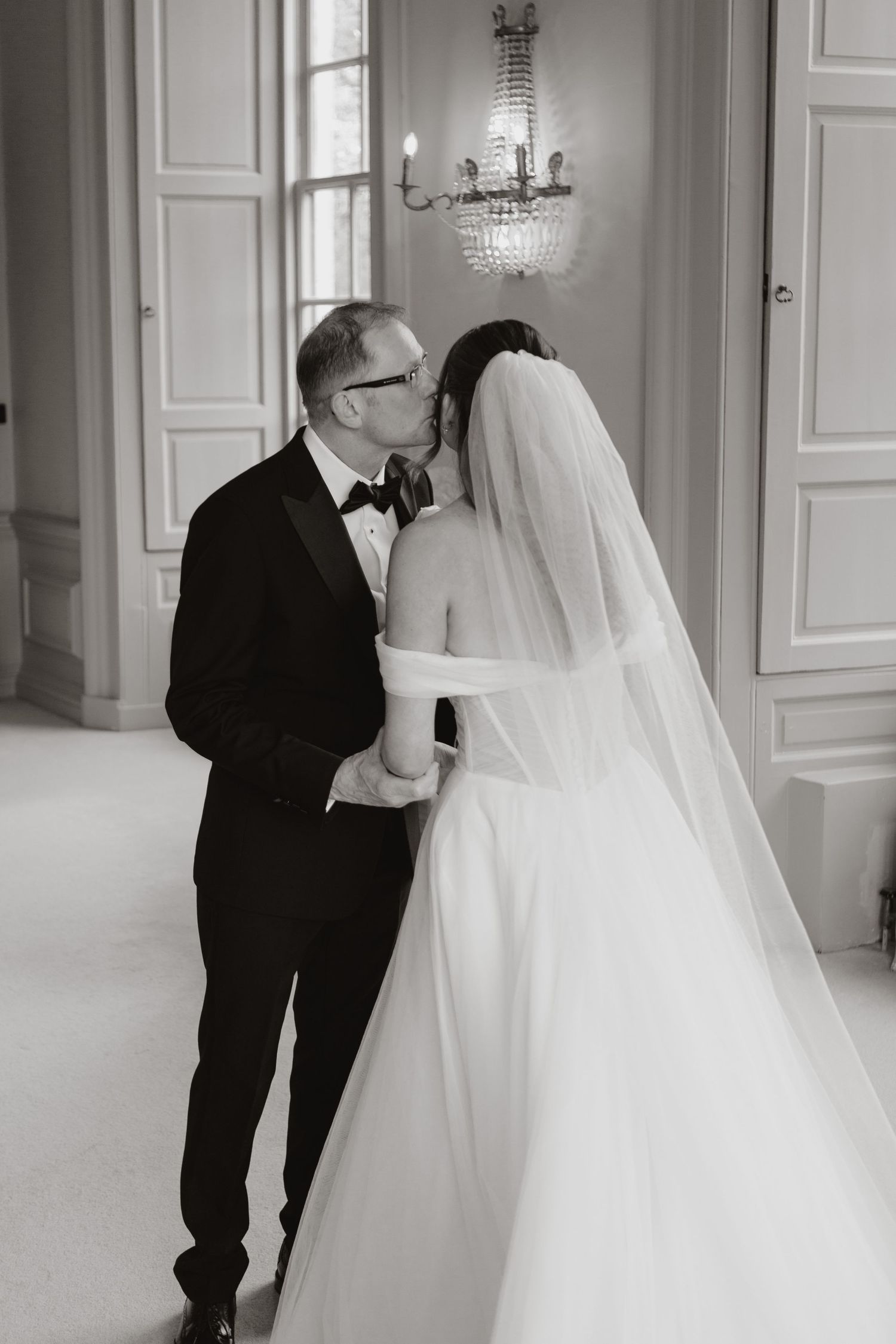
Why a 2pm ceremony creates a calmer, more relaxed wedding day
If couples ask me for one simple way to make their wedding day feel less rushed, my answer is often surprisingly straightforward: consider a 2pm ceremony.
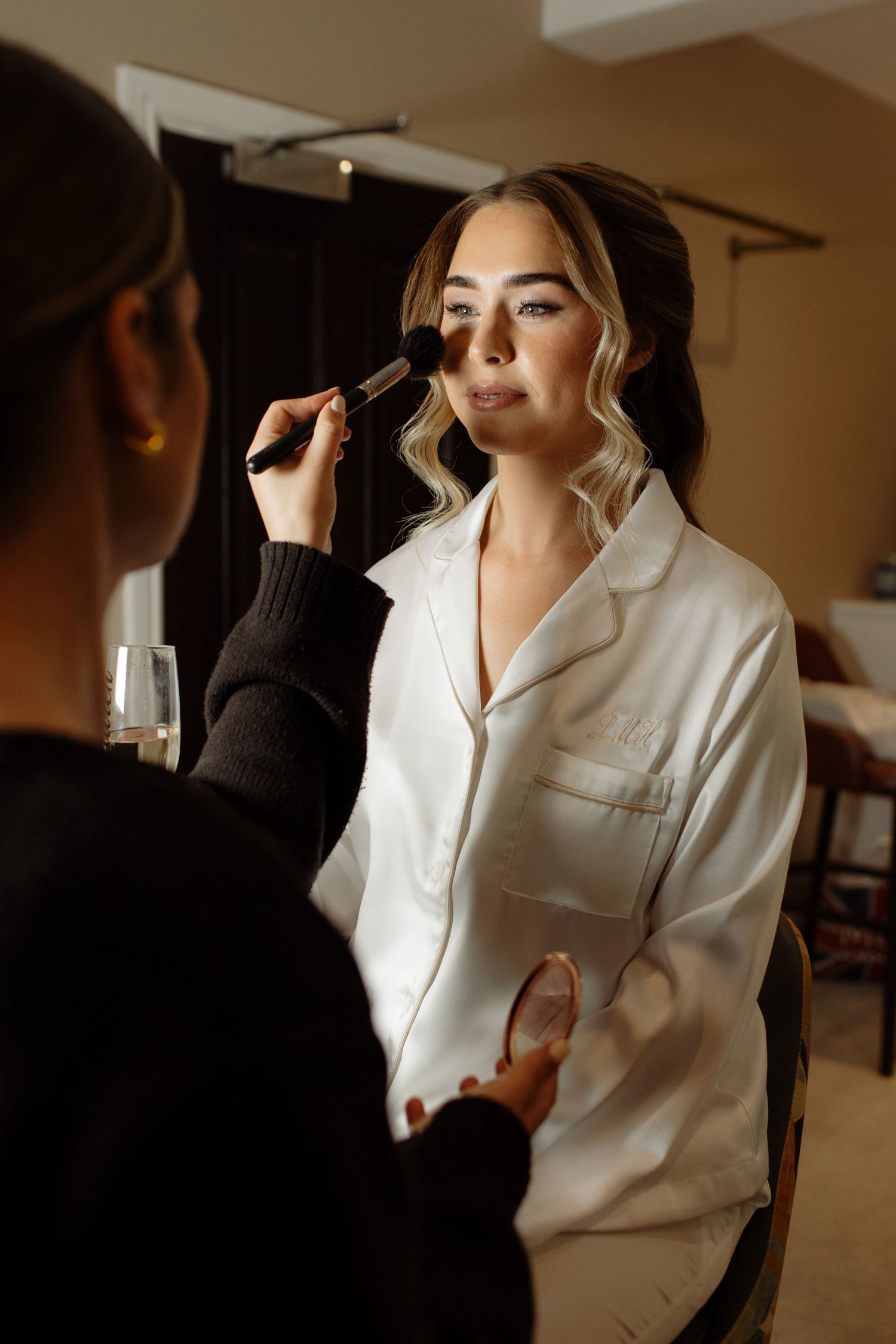
From a photography point of view and more importantly, from an experience point of view a 2pm ceremony allows the entire day to breathe. The morning starts gently, without the pressure of an early deadline. There’s time to wake up slowly, enjoy the build-up, and ease into hair, makeup, and getting ready without watching the clock.
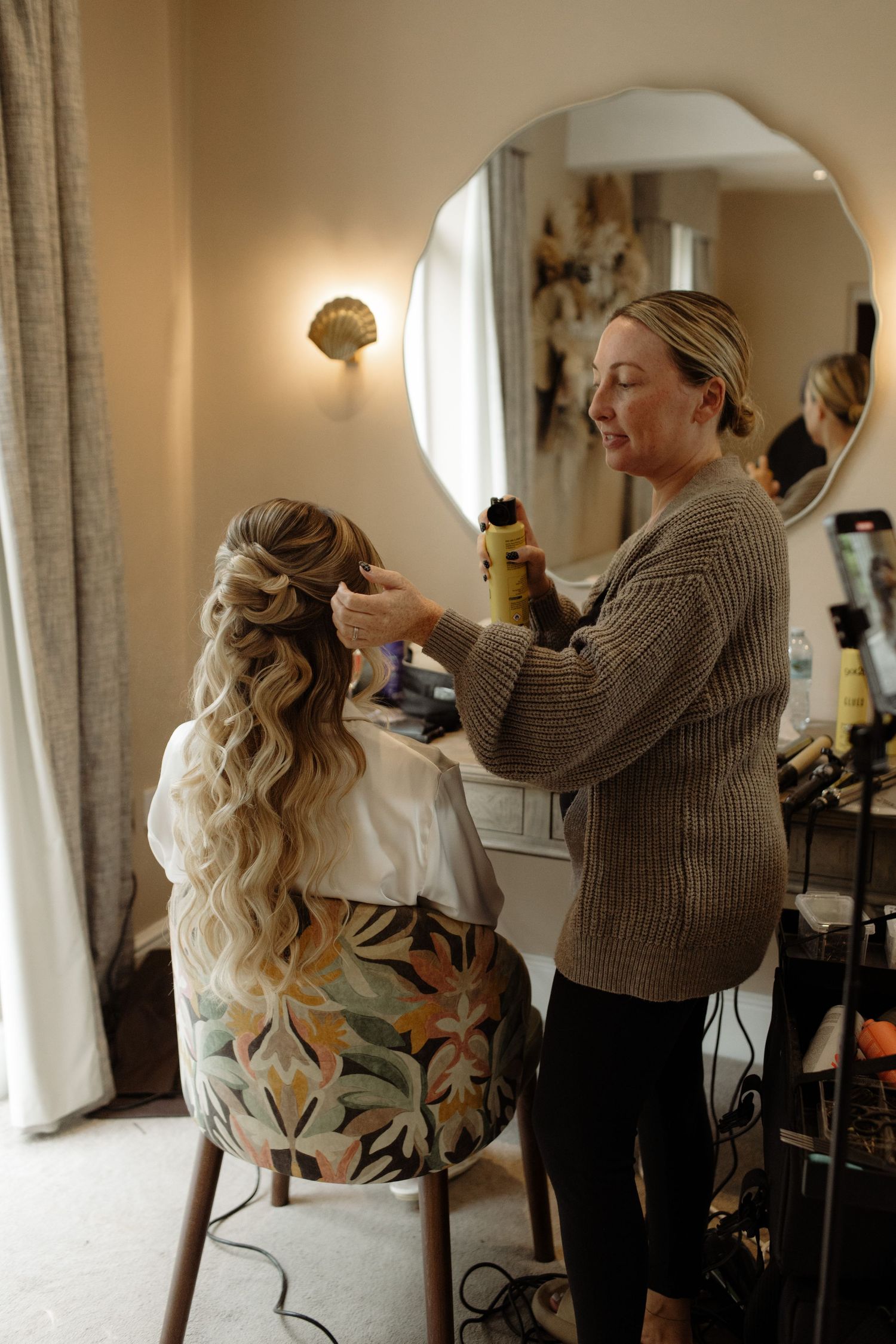
For photography, this timing works beautifully. I usually arrive around late morning, once things are naturally getting going. This gives us plenty of time for meaningful details- the dress, jewellery, stationery as well as relaxed moments during prep, without needing to rush or over-document quiet hours where very little is happening. It also means I can be there for the parts of the day that matter most, rather than stretching coverage unnecessarily early.
A 2pm ceremony also sets the tone for the rest of the day. There’s a natural flow from ceremony into drinks, conversation, and celebration, without feeling like you’re constantly moving things along to stay on schedule. Couples often feel more present, more settled, and far less aware of timings which is exactly when moments start to unfold naturally.
Later in the day, this timing tends to align beautifully with softer light and quieter moments for portraits, without needing to carve out large chunks of time or pull couples away from their guests for long periods. Everything feels intentional, but never forced.
Ultimately, a 2pm ceremony isn’t about creating the “perfect” schedule it’s about creating a day that feels balanced. One that gives you space to enjoy each part of your wedding without feeling like it’s racing past.
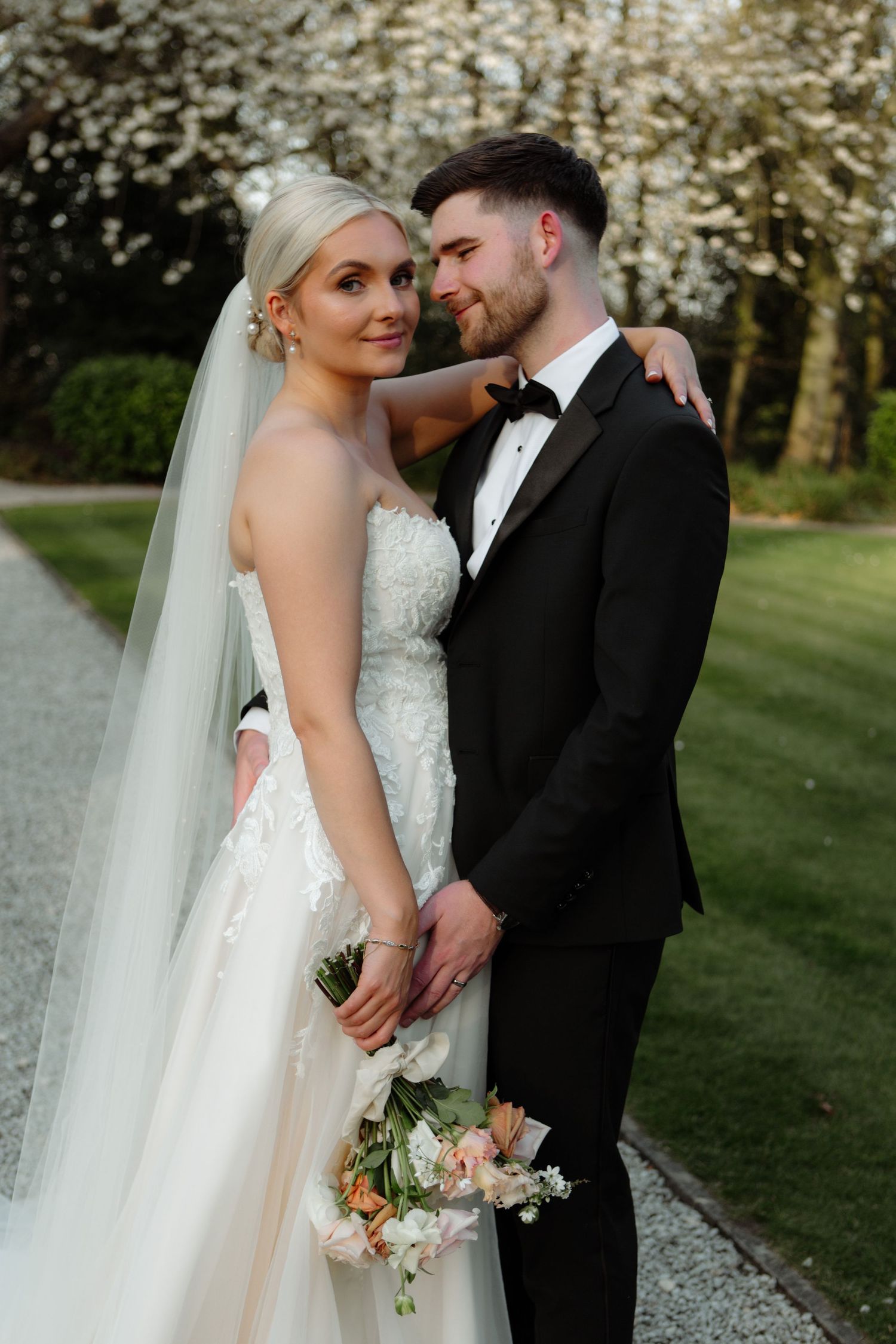
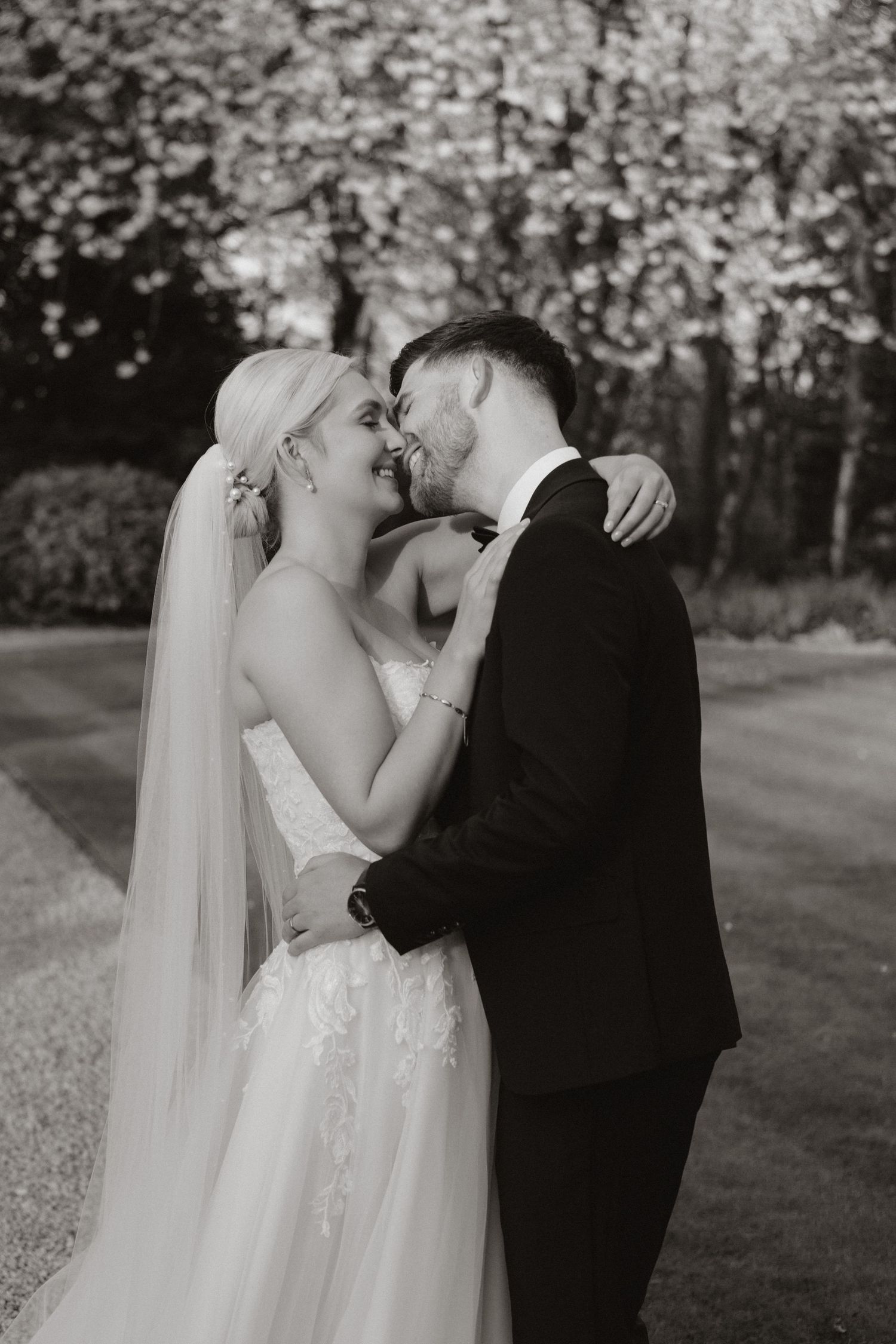
Portraits without pressure: why timing makes all the difference
Almost every couple tells me the same thing before their wedding: “We’re not very comfortable in front of the camera.”
It’s completely normal and it’s also one of the biggest reasons why timing matters so much.
When portraits are squeezed into a tight schedule or treated like a task to get through, they can feel awkward and rushed. Couples worry about being away from their guests for too long, feel self-conscious about posing, and often just want to get it over with as quickly as possible. That pressure shows not because couples are doing anything wrong, but because the space hasn’t been created for them to relax into the moment.
When portraits are planned thoughtfully, the experience feels entirely different.
By building portraits into the flow of the day often later on, once guests are settled and the pace has softened couples can step away briefly without feeling pulled in multiple directions. There’s no rush, no sense of being watched, and no need to perform. Instead, it feels more like a quiet breather together in the middle of a busy day.
I always guide couples gently rather than posing them rigidly, keeping things natural, conversational, and relaxed. Most people are surprised by how quickly they forget about the camera altogether. And because everything has already been planned, there’s no pressure to “get enough photos” we simply make use of the time and light available, knowing that nothing important is being missed elsewhere.
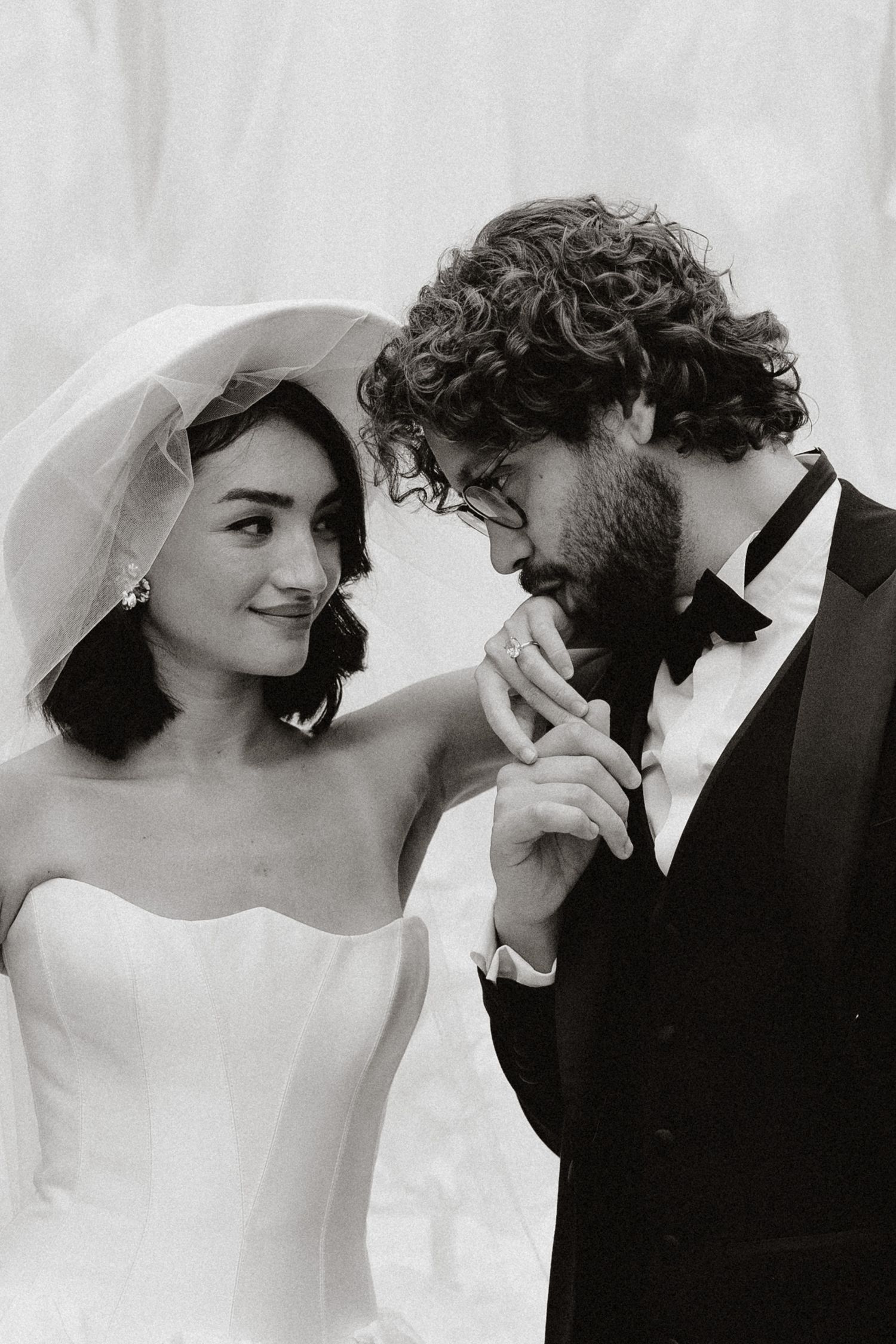
When portraits don’t feel like a separate event, they become part of the experience rather than an interruption. That’s when couples look most like themselves and when the photographs start to reflect not just how the day looked, but how it felt.
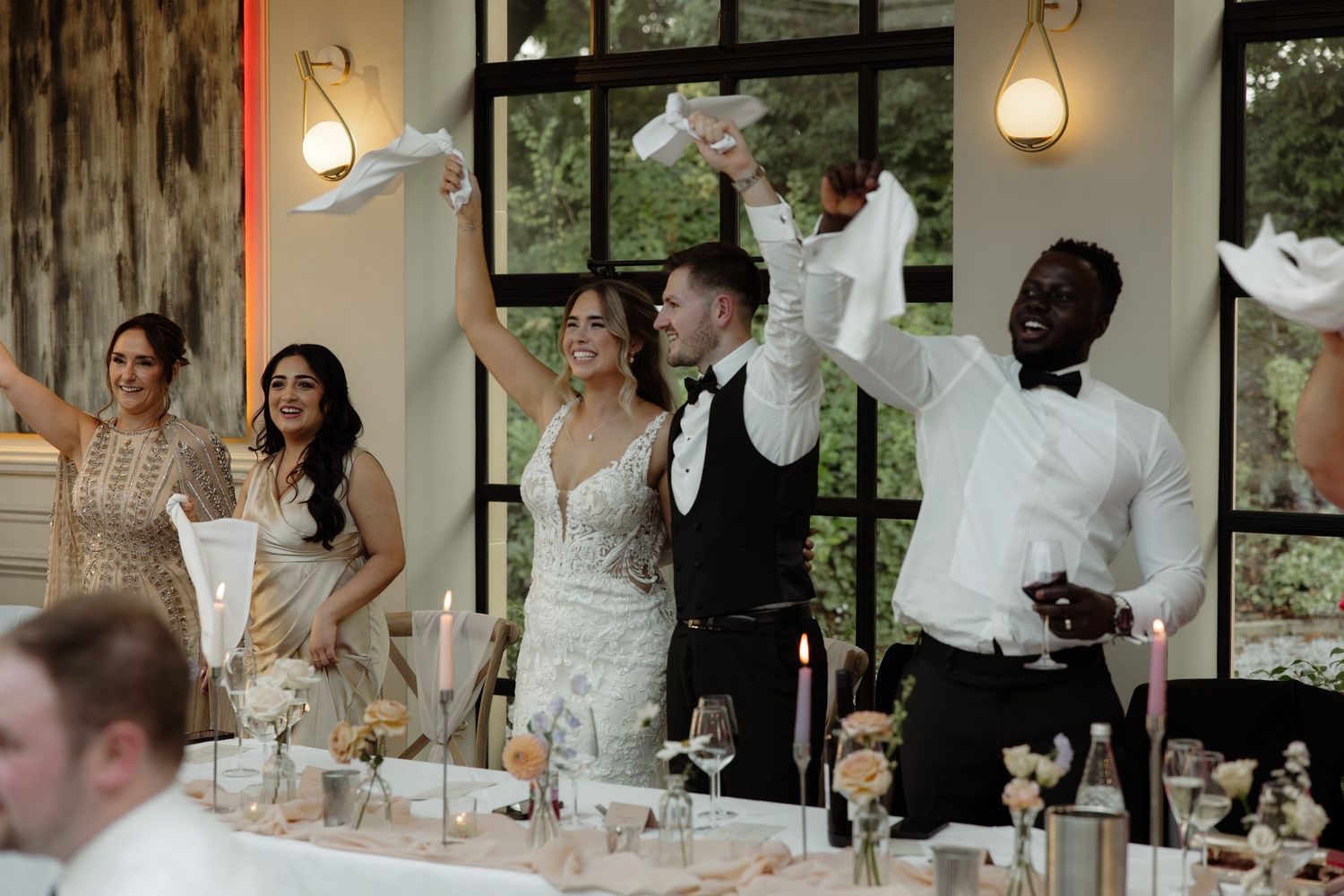
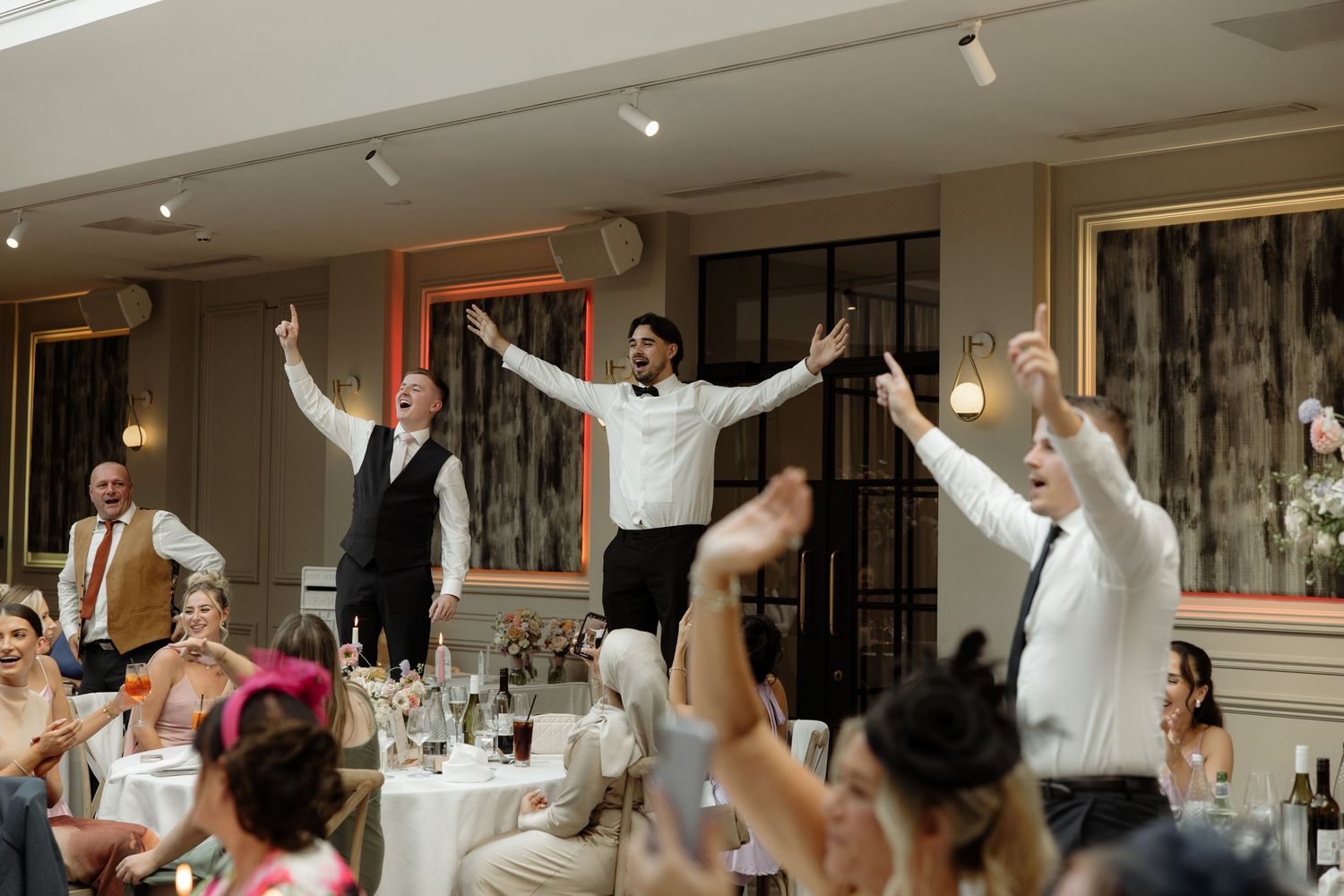
A relaxed wedding photography timeline example (with a 2pm ceremony)
Rather than thinking of a wedding timeline as a strict schedule, I always encourage couples to see it as a gentle framework, one that supports the day without dictating it. Below is an example of how a wedding with a 2pm ceremony might flow when the focus is on calm, presence, and natural photography.
This isn’t a template to follow minute by minute, but a guide to show how space and breathing room can be built into the day.
Late morning: a slow, unrushed start
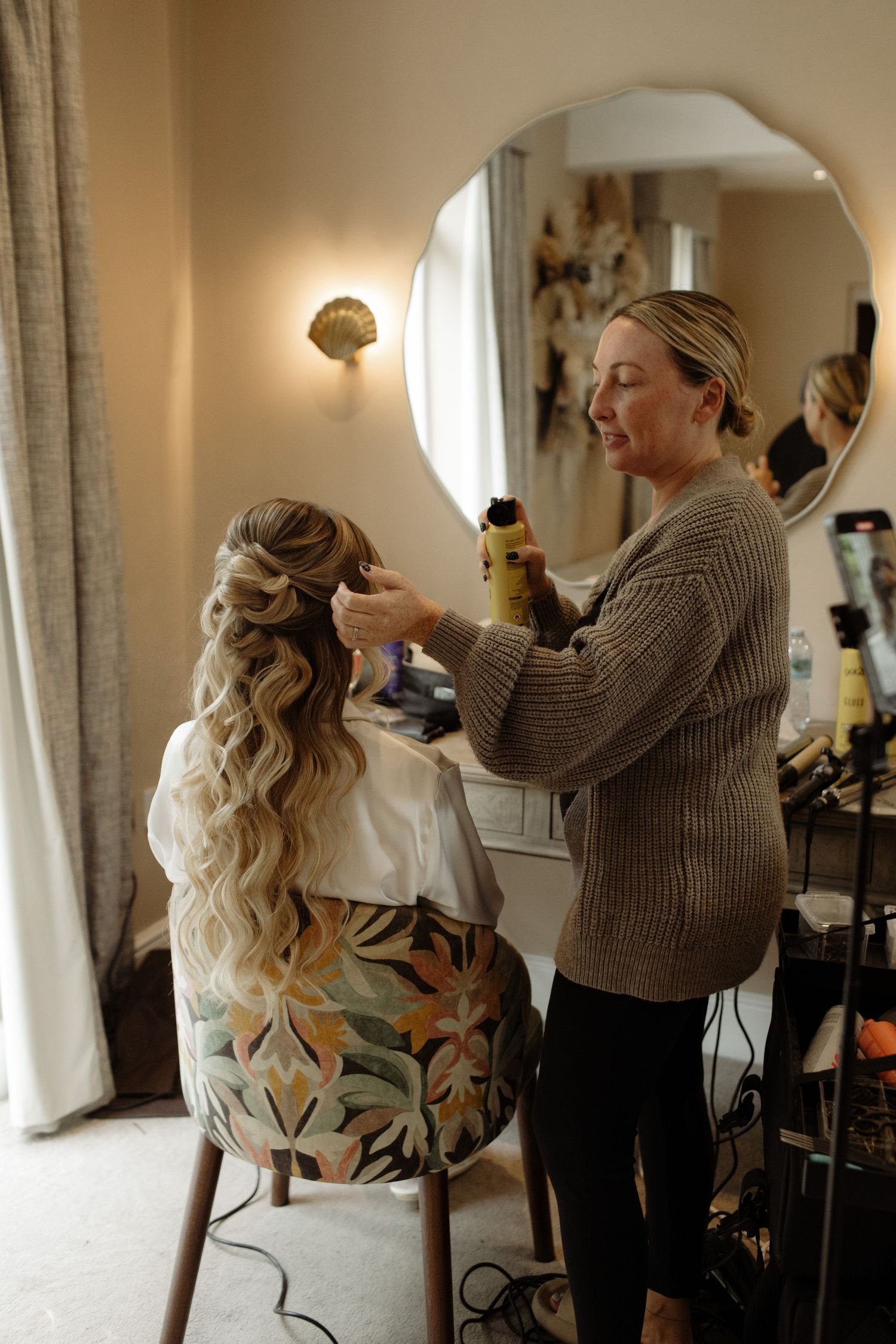
I’ll usually arrive around 11am, once hair and makeup are well underway. This allows time to photograph meaningful details. The dress, jewellery, stationery as well as those natural moments during prep without rushing or forcing anything to happen too early.
Because the ceremony isn’t until 2pm, the morning feels noticeably calmer. There’s time for conversation, laughter, and those quieter moments that often become some of the most special photographs from the day.
2pm: the ceremony
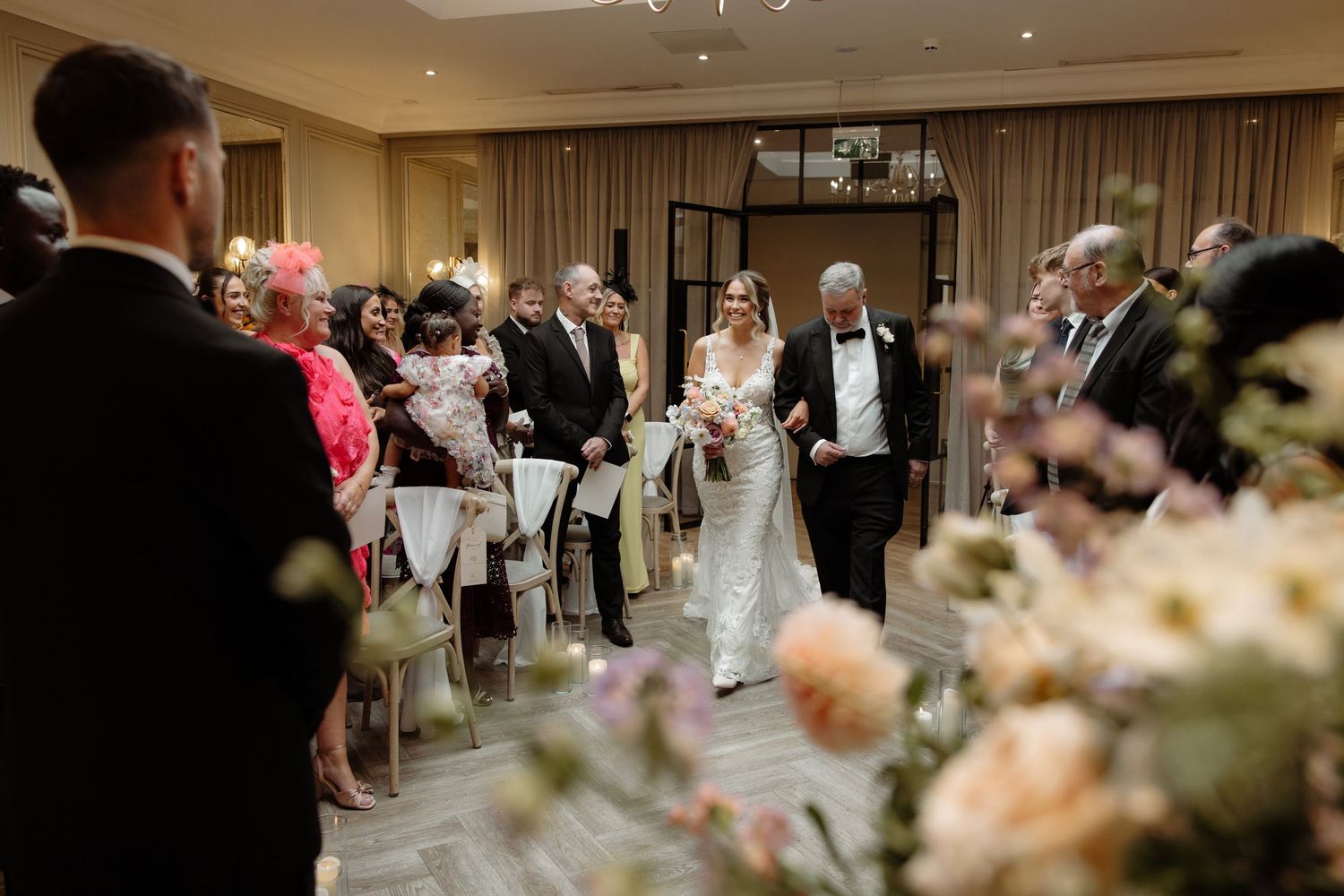
By the time the ceremony arrives, everyone feels settled. There’s no sense of playing catch-up or watching the clock just a natural transition from morning to ceremony.
From a photography perspective, this also means couples are present and relaxed, rather than feeling like the day has already been full before it’s even begun.
Afternoon: drinks, conversation, and flow
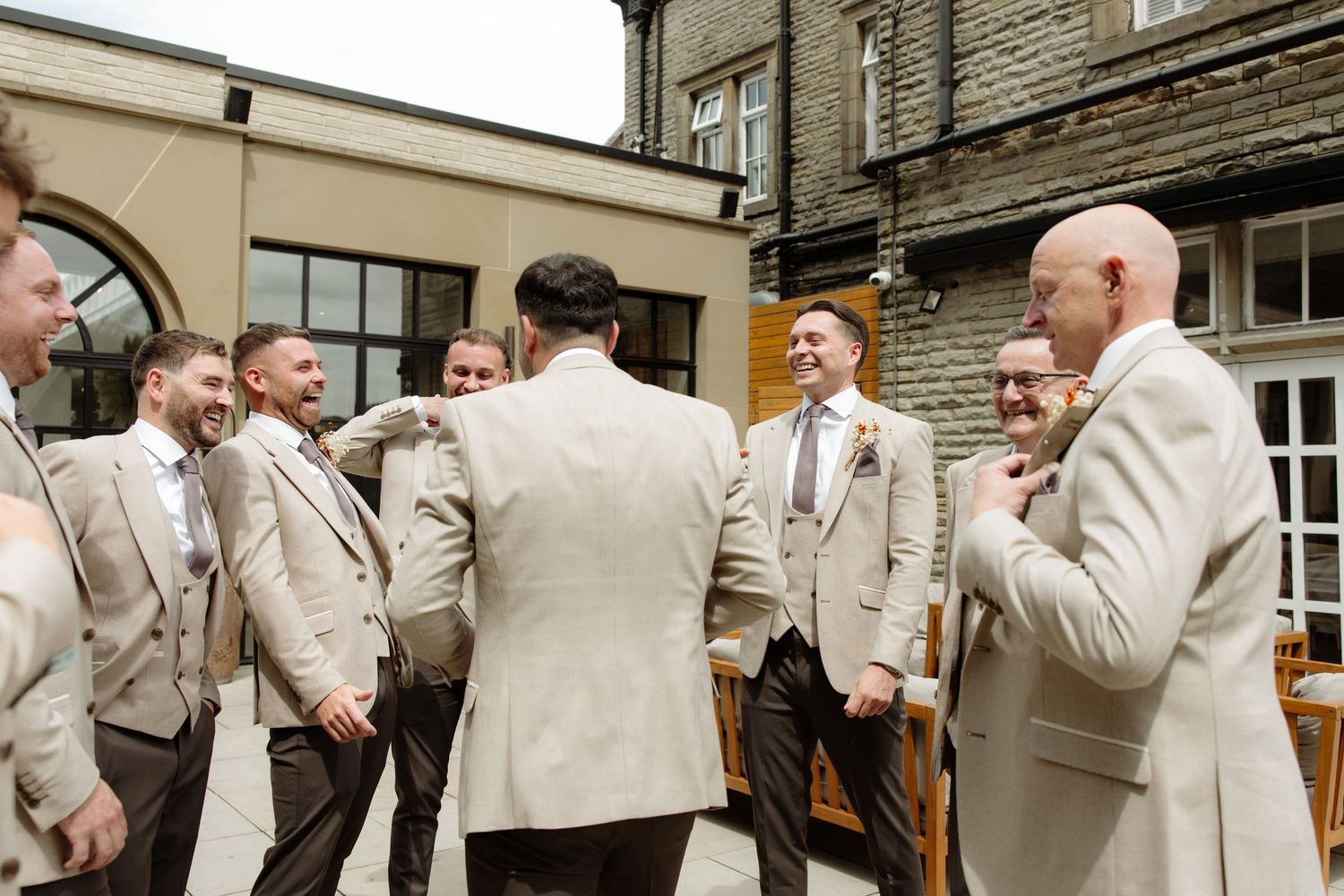
After the ceremony, guests move seamlessly into the drinks reception. This is where the day really opens up. People spread out, conversations start to flow, and the atmosphere becomes more social and relaxed.
I’ll focus on documenting this time as it unfolds, allowing moments to happen naturally rather than pulling people away unnecessarily.
Portraits built into the day, not taken from it
Portraits are usually planned for a quieter moment later in the afternoon or early evening, once guests are settled and the pace has softened. Because this time has already been accounted for in the timeline, couples can step away briefly without feeling like they’re missing out.
There’s no rush, no pressure, and no need to force anything. Just a short window of time to breathe, chat, and enjoy being together.
Evening: settling into celebration
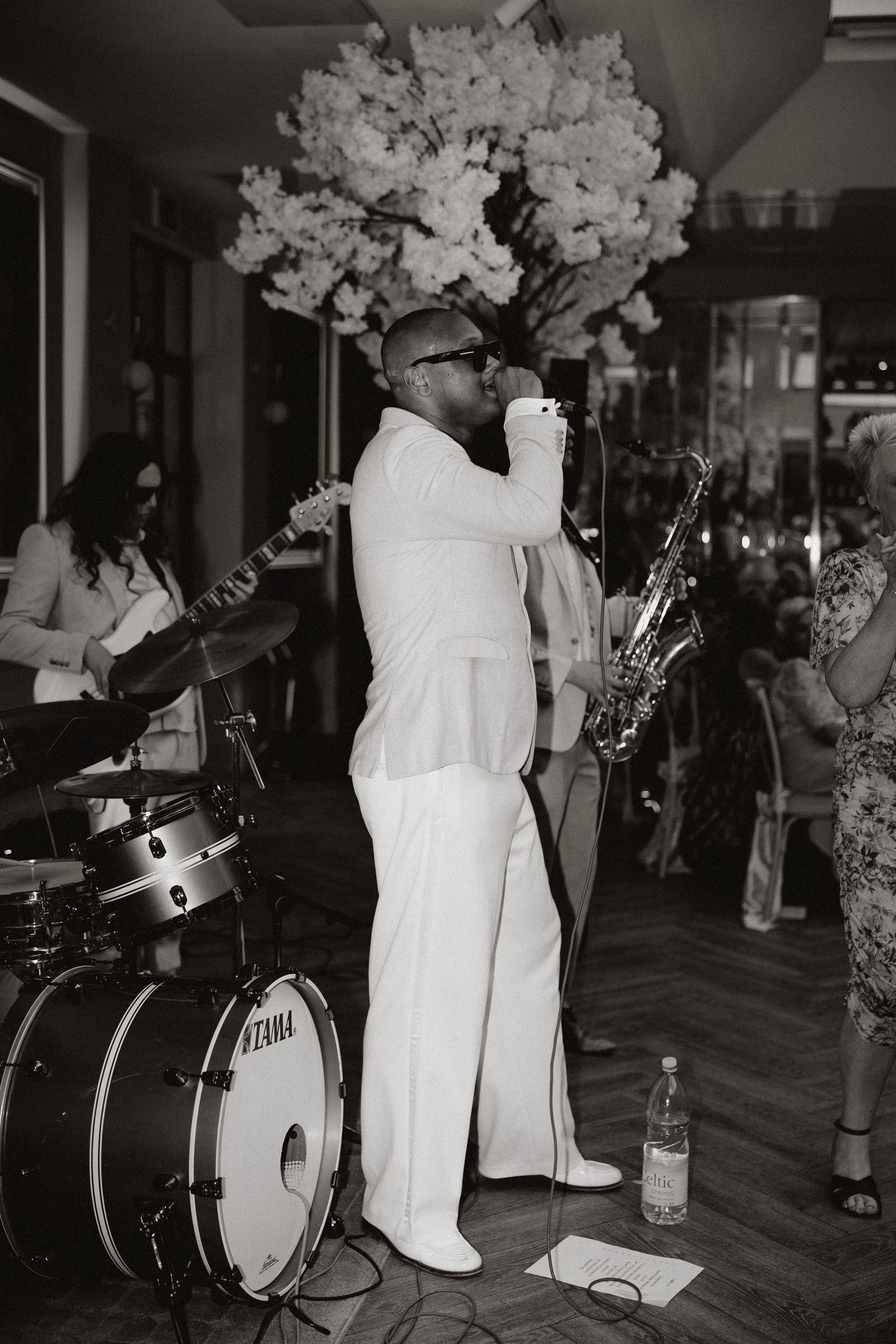
As the evening begins, the focus naturally shifts to food, speeches, and celebration. By this point, everything that needed intention earlier in the day has already happened, allowing the rest of the evening to unfold freely.
When a timeline is planned this way, couples often tell me the day feels longer not because it drags, but because they’ve actually had the space to experience each part of it.
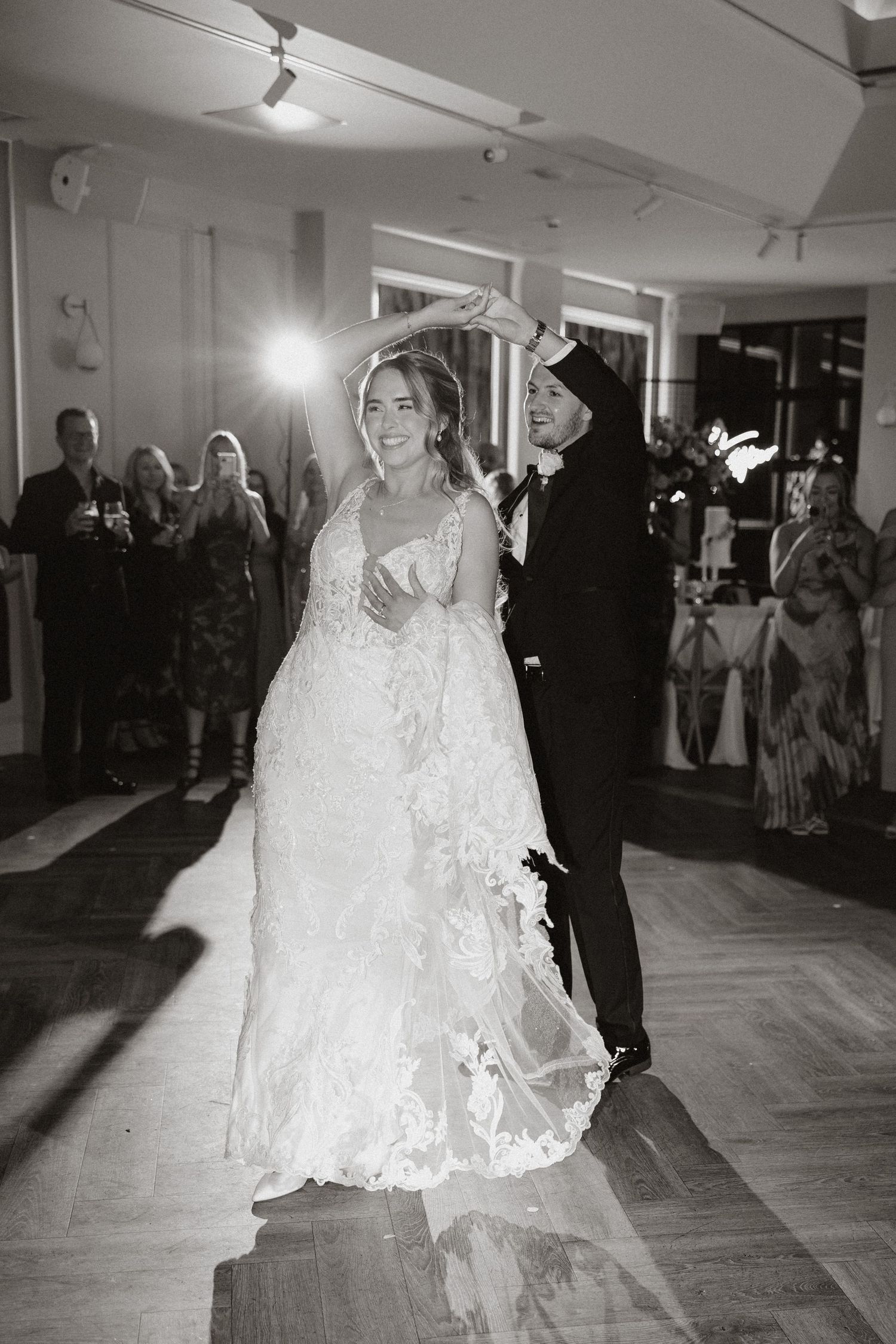
Planning that supports your experience, not controls it
A wedding photography timeline isn’t about creating a rigid structure or turning your day into a series of photo opportunities. When it’s planned thoughtfully, it becomes something much quieter, a framework that supports the flow of the day and allows you to be fully present in it.
By taking the time to plan ahead, align expectations, and build in space where it matters, couples often find their wedding day feels calmer, longer, and more meaningful. There’s less pressure to remember what comes next, fewer moments of rushing, and more room to enjoy the people and experiences that make the day what it is.
From my side, careful planning means I can work intuitively and unobtrusively anticipating moments rather than chasing them, and documenting the day as it naturally unfolds. The result isn’t a wedding that feels photo-focused, but one that feels relaxed, intentional, and true to you with photographs that reflect that experience honestly.
If you’re planning your wedding and want photography that prioritises presence, flow, and the feeling of the day just as much as how it looks, I’d love to hear more about your plans. You can find more information about my approach and get in touch via the link below.